




Bachelor’s Degree in Visual Arts

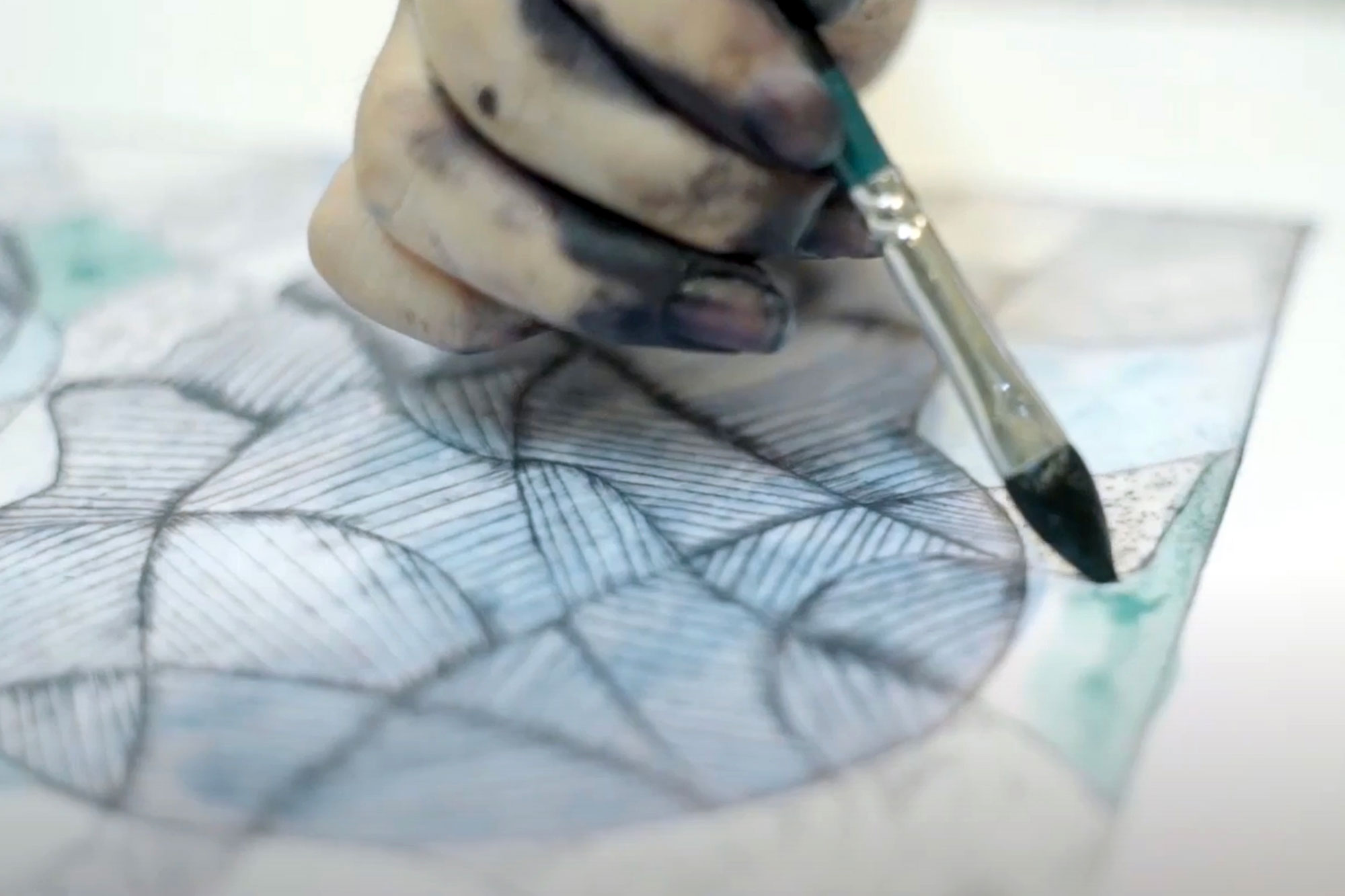
The Bachelor's Degree in Visual Arts articulates the different traditions as well as inter and transdisciplinary approaches to art to mold critical artists, who are trained for the demands of today's artistic practice.

The Visual Arts program aims to develop artists with intellectual rigor, critical spirit, creative mindset, deep ethical sense, and social responsibility. Its educational approach focuses primarily on training professionals engaged in research, evaluation, and creative production. The program provides opportunities to explore the complex levels of audiovisual discourse through both theory and artistic practice. Its scope extends to fostering production for the positive transformation of the artistic scene and cultural landscape of the region.

Graduate profile

The graduate of Visual Arts will be empowered to actively participate as an active member and creator of the 'contemporary' in art. They will be aware of art's ability to convey the pulse of social change: to perceive who we are and construct meanings in tune with the present and from the position we occupy in cultural geography. The graduate will possess artistic, critical, managerial, and self-management skills enabling them to develop innovative proposals in the field of visual arts. They will also be capable of creating, developing, and designing projects of artistic, environmental, community, educational, and advertising nature. Additionally, they will employ creative processes and continuous improvement methodologies demanded by the professional performance of these practices.

The Faculty Team

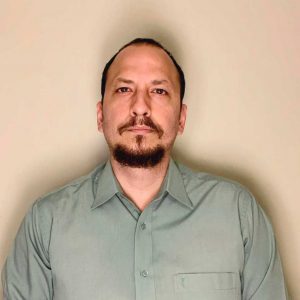
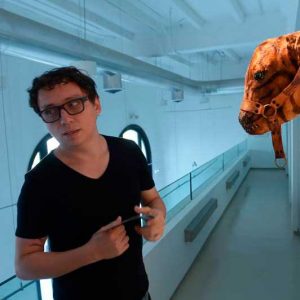
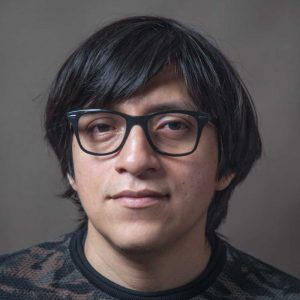
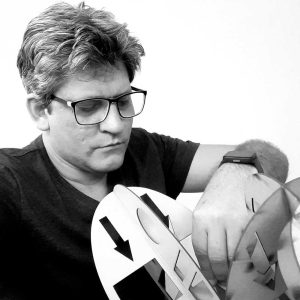
The School of Visual Arts has a teaching staff made up of visual artists and academics with creative and theoretical projects in development. Professionals with PhD and Master's degrees; and visual artists with extensive experience and recognized national and international solvency. It is essential for the school to count on experienced artists and researchers who are familiar with the local artistic environment and/or are recognized for their pedagogical work. This will guarantee a high-level training that will have a direct impact on the construction of a local art scene.

Itineraries

  • PRÁCTICAS BIDIMENSIONALES
  • PRÁCTICAS TRIDIMENSIONALES
  • PRÁCTICAS CURATORIALES
  • GENERALISTA

For more information email escuela.artes-visuales@uartes.edu.ec or call (593)4-259-0700 ext 3081

Resources

Admissions

Ready to apply?

News

Universidad de las Artes recibió del CACES el Certificado de Cualificación Académica

“Mirar los resultados alcanzados por la Universidad de las Artes evidencia un trabajo sostenido y una comunidad comprometida con expandir los límites del conocimiento artístico”, dijo la presidenta del CACES, Dra. Ximena Córdova, en el acto de entrega a la UArtes del Certificado de Cualificación Académica en el campo específico de artes, un hito para nuestra institución que, en un proceso voluntario, técnico y transparente, demostró calidad superior en investigación.

Leer más

Actuales y próximas máximas autoridades UArtes se reunieron con presidente del CES

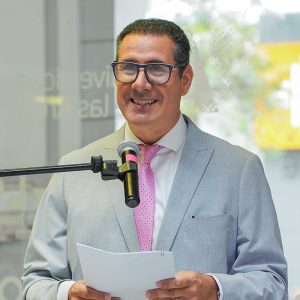
Como un momento simbólico de agradecimiento al Consejo de Educación Superior (CES) por la apertura y el apoyo brindados a la Universidad de las Artes señaló nuestro rector, doctor William Herrera, a la reunión que propició con el presidente del ente, Dr. Pablo Beltrán; las vicerrectoras, Dras. Olga López y Ana Gabriela Rivadeneira; y las nuevas máximas autoridades UArtes, elegidas mediante sufragio el pasado 2 de diciembre: doctores Saidel Brito, Yulianela Pérez y Andrey Astaiza.

Leer más

¡Dinos tu propósito textual!

“Propósitos textuales”. Es la propuesta que hace el CEAT de la Universidad de las Artes en este diciembre, a fin de recibir el 2026 con la misma o mayor energía con la que celebraremos lo bueno que este año nos ha entregado. Junto al pendón del CEAT (tercer piso de la Biblioteca de las Artes) está en el extremo de la mampara un buzón y una cajita con una hoja muy especial donde habrá un espacio para escribir el nombre, el correo institucional y, finalmente —y lo más importante—, el propósito textual. Al final de este texto su autora comparte algunas ideas.

Leer más