







Bachelor's Degree in Film

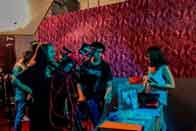
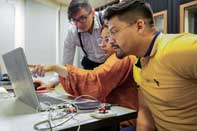
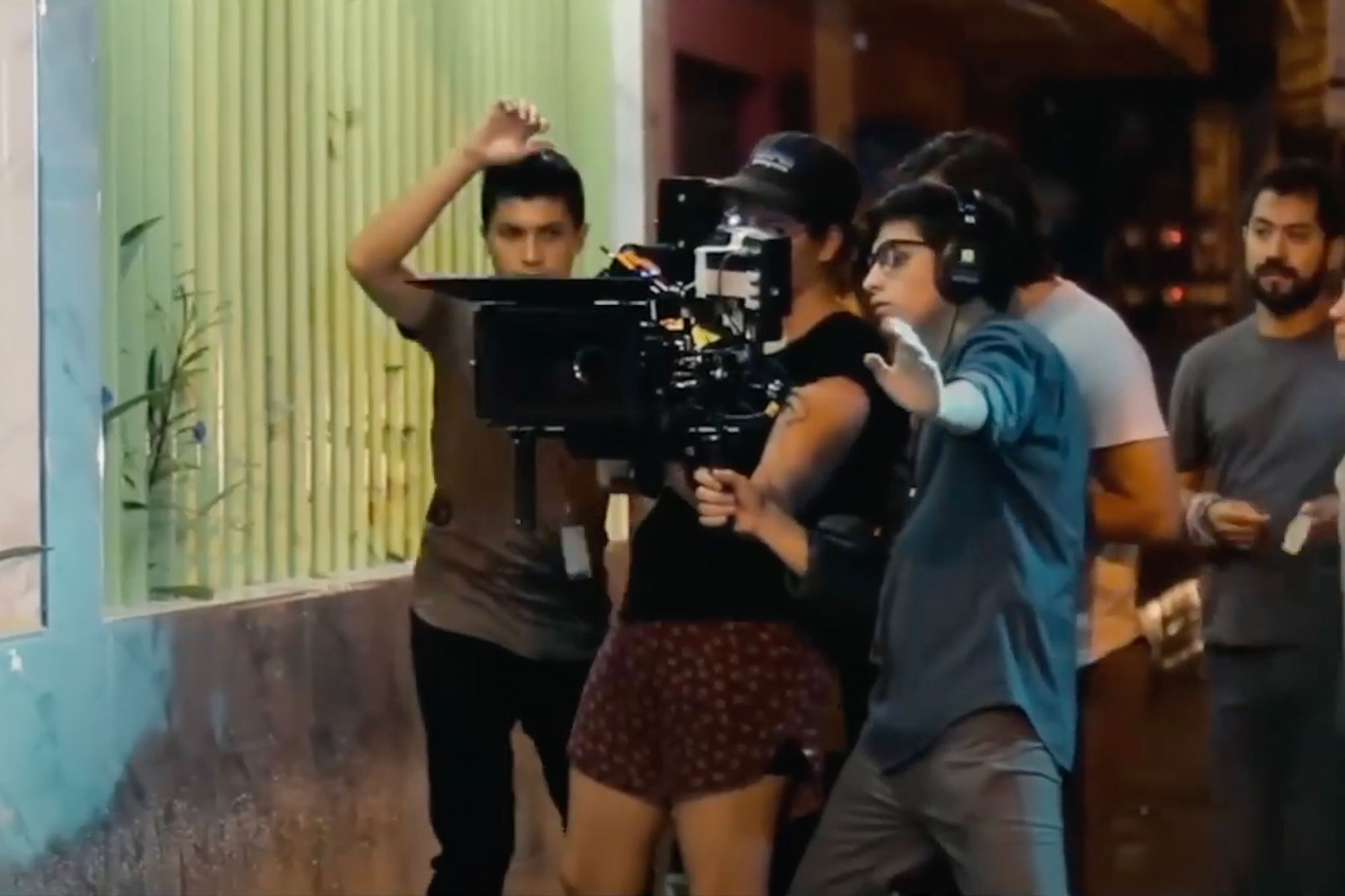
The Bachelor’s Degree in Film invites students to explore a constantly evolving field. Students develop as creators of stories, aesthetics, images, and sounds, supported by a strong foundation in cinematic language and contemporary forms of storytelling.

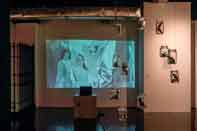
The Bachelor’s Degree in Film invites students to explore a constantly evolving field. Students develop as creators of stories, aesthetics, images, and sounds, supported by a strong foundation in cinematic language and contemporary forms of storytelling. The School of Film at the University of the Arts offers a degree program designed to prepare highly qualified professionals in film and the audiovisual arts. Students gain broad knowledge of the techniques, professional practices, history, languages, aesthetics, and contemporary critical frameworks associated with film and audiovisual creation, industry, and economics. To achieve this, the program combines research, critical analysis, production, artistic practice, and artistic creation, with an emphasis on contemporary forms and narratives. Its approach addresses the specific characteristics and needs of the local context, promotes intercultural dialogue, and recognizes the artistic production and critical thinking emerging from the Global South.

Graduate Profile

Graduates of the Film degree program will understand the history of world cinema and the place of Ecuadorian cinema within it. They will creatively apply a range of film analysis methods and develop skills in directing, producing, screenwriting, sound design, art direction, lighting, and production design for film and audiovisual projects across different formats, genres, and contexts. They will also be prepared to address key questions in film research, with an emphasis on contemporary approaches to cinema and audiovisual expression.

Faculty

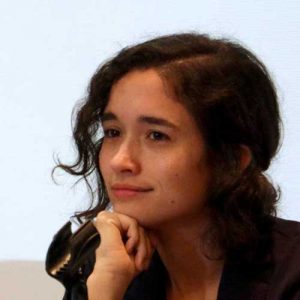
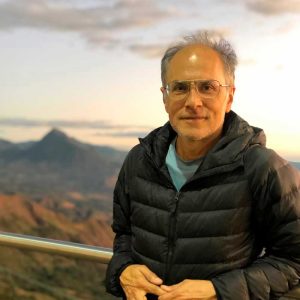
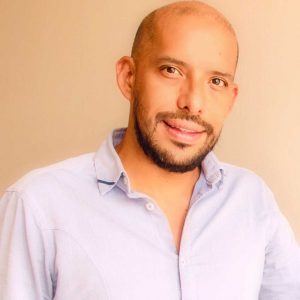
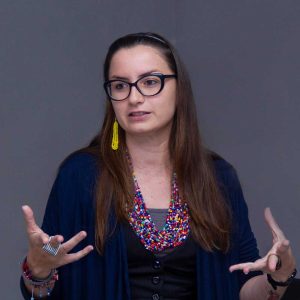
The School of Film faculty includes professionals with distinguished academic and artistic careers who specialize in the program’s core areas: theory and criticism, artistic production, writing, research, and the expanded field. This community includes filmmakers engaged in critical writing, critics who explore visual and audiovisual narratives, and researchers who construct and critically examine knowledge from interdisciplinary and transdisciplinary perspectives.

Tracks

  • Film Production
  • Film Production and Management
  • Film Theory and Experimentation

For more information, please email escuela.cine@uartes.edu.ec or call (593)4-259-0700 ext 3042

Resources

Admissions

Ready to Apply?

News

Docentes de la Escuela de Cine, con sus producciones en el internacional BAM

La Universidad de las Artes y su Escuela de Cine están en el Bogotá Audiovisual Market (BAM), una importante cita de la industria audiovisual de la región. Los docentes Priscilla Aguirre, Alicia Herrera y Jorge Flores integran la delegación ecuatoriana que acudió al evento para presentar sus proyectos cinematográficos ante productores, distribuidores, fondos, festivales y aliados internacionales. También intervienen como profesionales del cine graduados UArtes.

Read More

“Manglares”, la muestra fotográfica de Diego Falconí que recupera la memoria viva del Cerrito de los Morreños

Se inauguró en el Congreso Internacional de la Asociación de Ecuatorianistas, de cuya XXVII edición la Universidad de las Artes fue sede y coorganizadora. La cita académica se realizó del 16 al 19 de junio, pero la exposición “Manglares” del cineasta y fotógrafo Diego Falconí Averhoff, docente UArtes, permanecerá abierta hasta finales de este mes mostrando en imágenes ecosistemas que sostienen vida, cultura y memoria.

Read More

Docentes investigadores UArtes, en las ponencias de la IV edición de las JOIM

Con la participación de músicos, investigadores y académicos de Ecuador y Latinoamérica se realizó la IV edición de las JOIM, organizadas por la Universidad de Loja, en articulación con UArtes y la UCSG. De nuestra institución estuvieron: Rubén Riera, Adina Izarra, Pedro Segovia, Ivonne Jerez, Meining Cheung, Jenny Villafuerte y Lyzbeth Badaraco. El vicerrector Andrey Astaiza, los acompañó, así como el equipo de Políticas de Investigación en Artes, que dirige Luis Pérez-Valero.

Read More

Loading...