
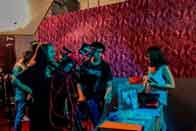
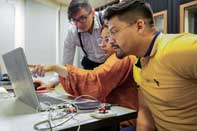

The Bachelor's Degree in Visual Arts articulates the different traditions as well as inter and transdisciplinary approaches to art to mold critical artists, who are trained for the demands of today's artistic practice.

At the University of the Arts, diverse approaches to learning and inquiry bring together research on art and arts research.

The academic offers at the University of the Arts are technology-based, diverse, relevant, and of high quality. Its model of higher education in the arts is nationally and internationally recognized.

Programs of excellence in the field of the arts that contribute to the improvement and specialization of professionals.

Find here all the information so that, once you become a member of the university community, you can be aware of its benefits.

Through our transformative management model, the university contributes to the role of arts education with vitality and relevance for society.

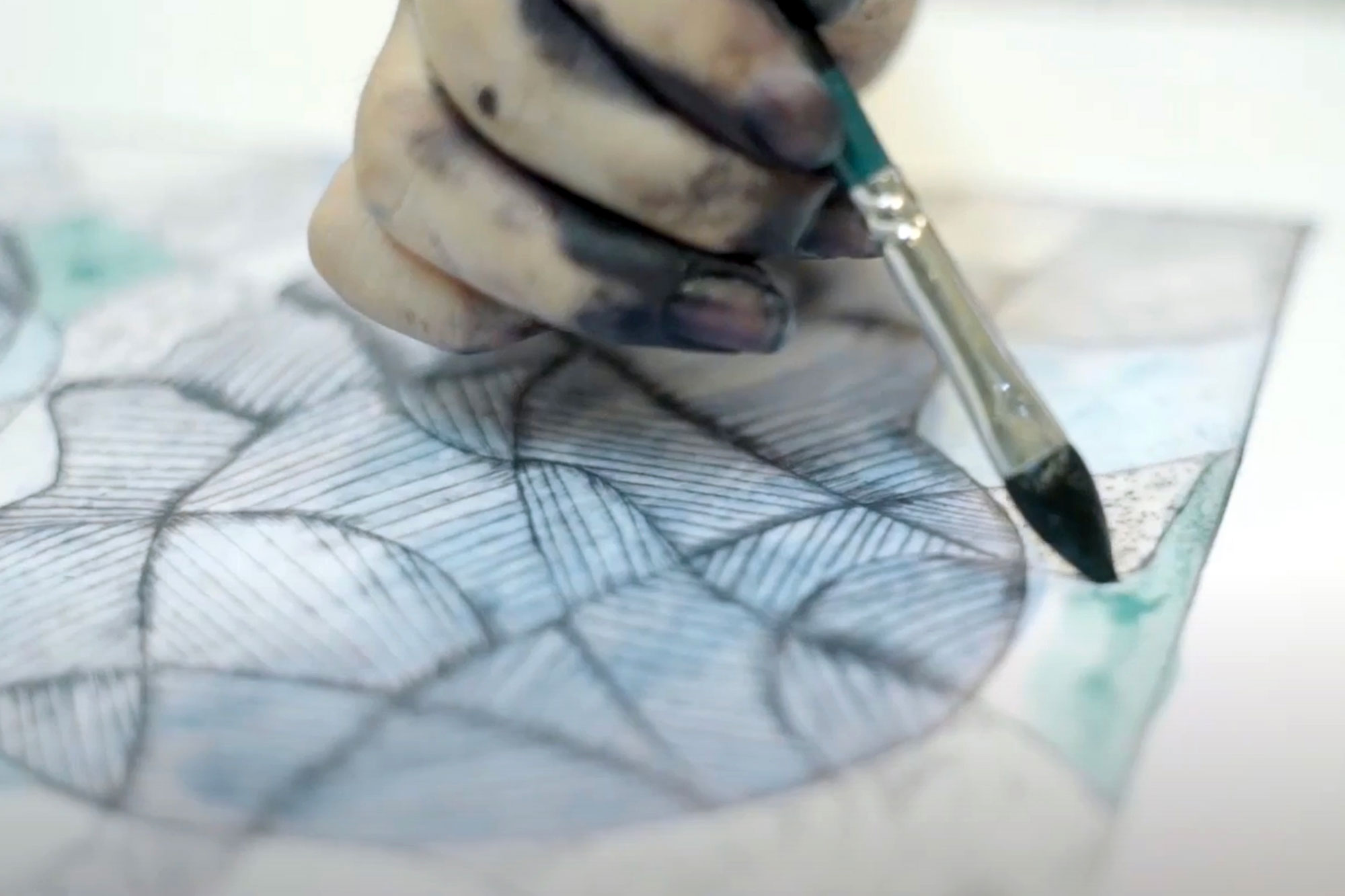
Art research employs diverse methods of inquiry, exploration, and knowledge generation through its own unique approaches to investigation, work, and experimentation. This process leads to original results that contribute to artistic creation

The University of the Arts is the first public institution of higher education in the arts at the national level. Learn in detail about its Transparency, Accountability, Planning and Strategic Management, and Human Resources Department.
The Bachelor's Degree in Visual Arts articulates the different traditions as well as inter and transdisciplinary approaches to art to mold critical artists, who are trained for the demands of today's artistic practice.
The Visual Arts program aims to develop artists with intellectual rigor, critical spirit, creative mindset, deep ethical sense, and social responsibility. Its educational approach focuses primarily on training professionals engaged in research, evaluation, and creative production. The program provides opportunities to explore the complex levels of audiovisual discourse through both theory and artistic practice. Its scope extends to fostering production for the positive transformation of the artistic scene and cultural landscape of the region.
The graduate of Visual Arts will be empowered to actively participate as an active member and creator of the 'contemporary' in art. They will be aware of art's ability to convey the pulse of social change: to perceive who we are and construct meanings in tune with the present and from the position we occupy in cultural geography. The graduate will possess artistic, critical, managerial, and self-management skills enabling them to develop innovative proposals in the field of visual arts. They will also be capable of creating, developing, and designing projects of artistic, environmental, community, educational, and advertising nature. Additionally, they will employ creative processes and continuous improvement methodologies demanded by the professional performance of these practices.
The School of Visual Arts has a teaching staff made up of visual artists and academics with creative and theoretical projects in development. Professionals with PhD and Master's degrees; and visual artists with extensive experience and recognized national and international solvency. It is essential for the school to count on experienced artists and researchers who are familiar with the local artistic environment and/or are recognized for their pedagogical work. This will guarantee a high-level training that will have a direct impact on the construction of a local art scene.
For more information email escuela.artes-visuales@uartes.edu.ec or call (593)4-259-0700 ext 3081

El Plan de Movilidad Nacional permite estancias temporales de estudio en otras universidades. La UArtes inició el intercambio académico con la Espol en el 2022-B y actualmente lo realiza también con la Universidad Católica, Casa Grande y Universidad del Río. Con la secretaria académica, Verónica Orellana, ampliamos el tema y conocimos la experiencia de una alumna que ha cursado materias en tres de las IES señaladas.

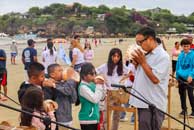
En el marco de la cooperación existente entre la Universidad de las Artes y el Instituto de Seguridad Social de las Fuerzas Armadas (ISSFA), así como la puesta en marcha de la segunda fase del proyecto de vinculación con la sociedad “JEP: Juegos de Expresión desde la Plástica” que dirige Joaquín Serrano, se desarrolla “Memoria Viva: Taller de aprendizaje, encuentro y participación”.

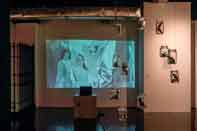
Con un concepto abierto y vivo, y sin pensar en perfecciones, la artista guayaquileña Charlotte Förster trabajó las piezas de «Lo que no se marchita», muestra que recientemente inauguró en el Museo Municipal de Guayaquil y que ayer cumplió la primera de cuatro visitas guiadas. La alumnus UArtes desarrollará las siguientes el 9, 13 y 27 de junio, que clausura una propuesta en la que recupera fragmentos de sus memorias.