- The University
-
-
-
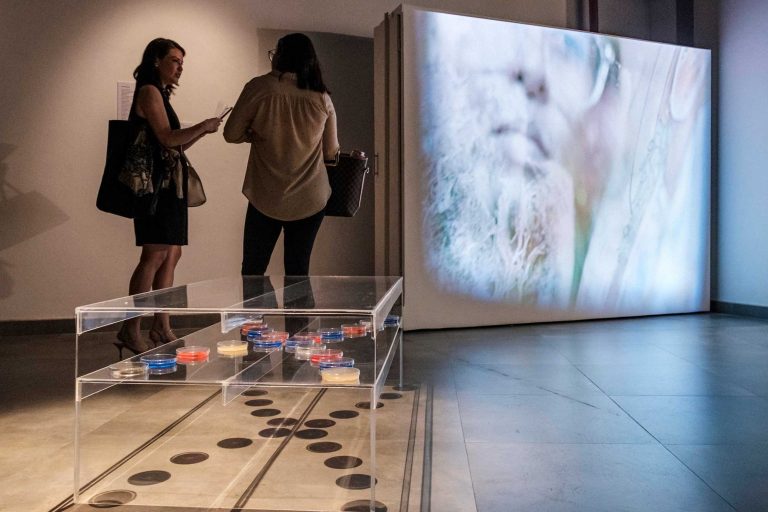
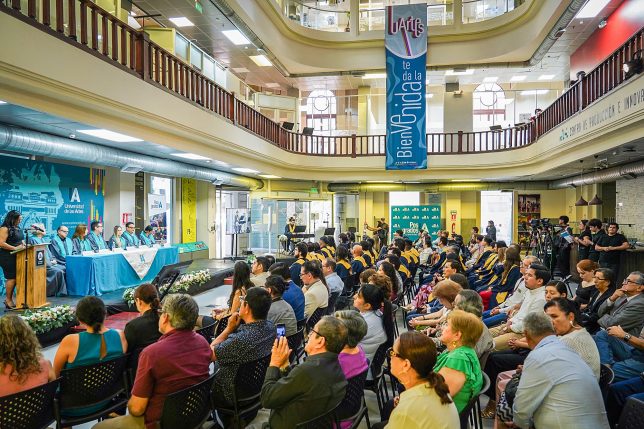
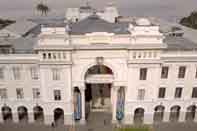
At the University of the Arts, diverse approaches to learning and inquiry bring together research on art and arts research.
-
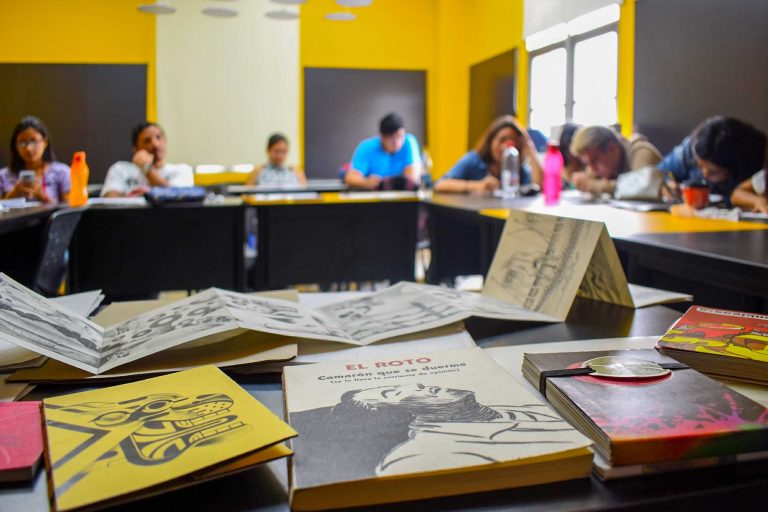
Expanded Classroom


-
-
- Undergraduate Programs
-
-
-
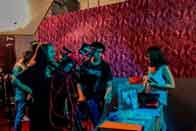
UArtes’ academic offerings are diverse, relevant, technologically informed, and of high quality. The University’s higher education model in the arts is recognized nationally and internationally.
-
-
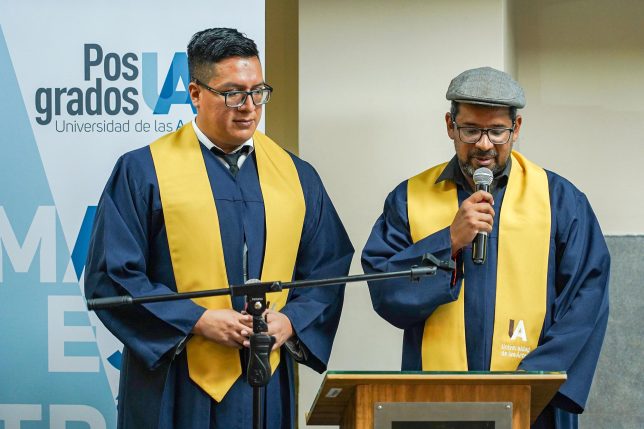
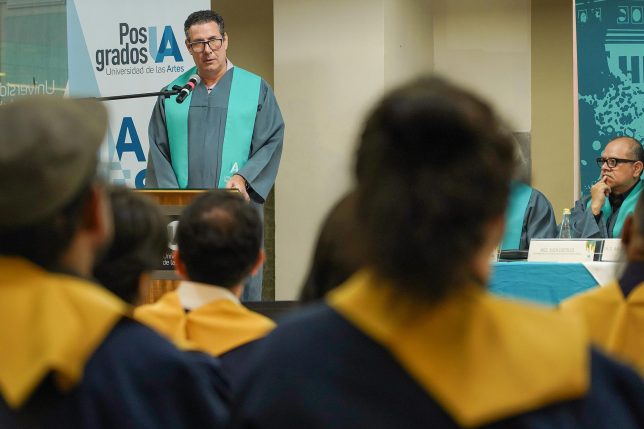
- Postgraduate
-
-

-
Advanced degree programs in the arts, designed to support the professional development and specialization of practitioners.
-
-
- Students
-
-

-
Find here all the information so that, once you become a member of the university community, you can be aware of its benefits.
-
-
- COMMUNITY ENGAGEMENT
-
-

-
Through our transformative management model, we contribute to the role of arts education with vitality and relevance for society.
-
-
- Research
-
-
-
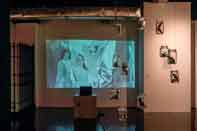
Art research employs diverse methods of inquiry, exploration, and knowledge generation through its own unique approaches to investigation, work, and experimentation. This process leads to original results that contribute to artistic creation
-
- Grupos de investigación
Editorial Office

-
-
- Institutional
-
-

-
The University of the Arts is the first public higher education institution in the arts at the national level. Learn more about its Transparency, Accountability, Strategic Planning and Management, and Human Resources.
-
-